
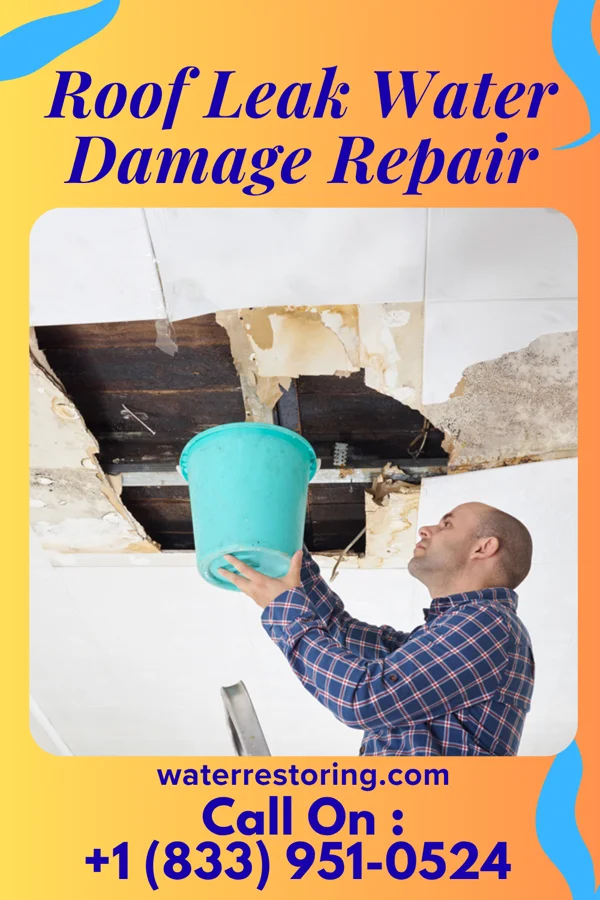
Why Roof Leak Damage Spreads in Washington
Most water damage emergencies in Washington start with Washington, Missouri experiences frequent thunderstorms and heavy rainfall, especially during the spring and summer months. These weather events can lead to sudden roof leaks, especially in older homes with asphalt shingle roofs. The sudden downpours often result in water infiltration through damaged or improperly sealed roofing materials.. A close second is The region is also prone to high humidity and occasional flooding, which can exacerbate existing roof issues. During the late summer, prolonged periods of rain can cause water to pool on flat roofs or around roof edges, increasing the risk of water damage. This can lead to mold growth and structural issues if not addressed promptly.. From the second water touches the property, every minute changes what gets saved and what gets ripped out.
The climate in Washington, Missouri, combined with the aging infrastructure of many homes, creates a high risk of roof leaks and water damage. The combination of heavy rainfall, high humidity, and aging roofing materials leads to frequent water infiltration, especially in older suburban neighborhoods.
Most roof leak water damage repair calls in Washington come from Washington, Missouri experiences frequent thunderstorms and heavy rainfall, especially during the spring and summer months. These weather events can lead to sudden roof leaks, especially in older homes with asphalt shingle roofs. The sudden downpours often result in water infiltration through damaged or improperly sealed roofing materials.. Running a close second is The region is also prone to high humidity and occasional flooding, which can exacerbate existing roof issues. During the late summer, prolonged periods of rain can cause water to pool on flat roofs or around roof edges, increasing the risk of water damage. This can lead to mold growth and structural issues if not addressed promptly.. Local mold risk: Mold growth can occur within 48 hours of water intrusion in Washington, Missouri, due to the high humidity levels. This can lead to secondary damage such as wood rot, weakened structural integrity, and health risks from mold spores, especially in older homes with poor ventilation.
For public guidance on the health effects of mold after prolonged water exposure, see the EPA mold and health page.